Category: Uncategorized

  • Unlocking the Future with 3D Printing: A Revolution in Manufacturing

    Unlocking the Future with 3D Printing: A Revolution in Manufacturing

    In the past few decades, technology has taken monumental leaps, transforming industries and the way we live. Among the most groundbreaking innovations is 3D printing, also known as additive manufacturing. This transformative technology has the potential to revolutionize how we design, create, and produce objects. From prototyping to full-scale production, 3D printing is no longer just a novelty—it’s a driving force in the modern world.

    What is 3D Printing?

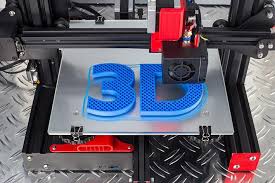
    At its core, 3D printing is the process of creating three-dimensional objects from a digital design. Unlike traditional subtractive manufacturing methods that cut away material to create a part, 3D printing builds objects layer by layer. This technique offers unparalleled design flexibility, cost-efficiency, and sustainability, making it a game-changer in various fields.

    How Does 3D Printing Work?

    Digital Design: It all starts with a 3D model created using CAD (Computer-Aided Design) software. This model is then converted into a file format (like STL) that the printer can interpret.

    Slicing: The design is sliced into hundreds or thousands of thin horizontal layers using slicing software.

    Printing: The 3D printer then builds the object layer by layer using materials like plastic, metal, resin, or even biological materials.

    Post-Processing: Once printing is complete, additional steps like polishing, painting, or curing may be applied to enhance the final product.

    Applications of 3D Printing

    3D printing is not confined to a single industry; its applications are as diverse as the materials it uses.

    1. Healthcare

    Prosthetics: Custom prosthetic limbs tailored to individual needs.

    Bioprinting: Creating human tissue and organs for research or transplantation.

    Surgical Models: Printing anatomical models to aid surgeons in planning complex operations.

    2. Automotive and Aerospace

    Manufacturing lightweight yet durable components.

    Producing tools and jigs at a fraction of the cost.

    Creating prototypes for faster product development.

    3. Consumer Goods

    Personalized products like jewelry, eyewear, and fashion accessories.

    Rapid prototyping for innovation in design.

    4. Education and Research

    Teaching students about design, engineering, and innovation.

    Enabling researchers to create precise models for testing and analysis.

    5. Architecture and Construction

    Designing intricate architectural models.

    Printing entire structures, from houses to bridges, using specialized materials.

    Advantages of 3D Printing

    Cost-Effectiveness: Eliminates the need for expensive molds or tooling.

    Customization: Enables production tailored to specific requirements.

    Speed: Rapid prototyping significantly reduces product development time.

    Sustainability: Reduces waste by using only the material needed for production.

    Challenges in 3D Printing

    While promising, 3D printing faces challenges:

    Material Limitations: Not all materials are suitable for 3D printing.

    Speed for Mass Production: Current technology can be slow for large-scale manufacturing.

    Skill Requirement: Expertise is needed to design and optimize models.

    The Future of 3D Printing

    As technology evolves, so do the possibilities for 3D printing. With advancements in material science, speed, and machine learning, we are inching closer to a future where 3D printing becomes a staple in every household and business. Imagine printing your own tools, furniture, or even food at home!

    Conclusion

    3D printing is not just a trend; it’s a transformative force reshaping industries and inspiring innovation. Whether you’re a hobbyist exploring creative projects or a business leader seeking efficient production solutions, 3D printing offers endless opportunities. As the technology continues to mature, one thing is clear—the future is being built layer by layer.

  • The Visionary Life of Dr. Vikram Sarabhai: Father of the Indian Space Program

    The Visionary Life of Dr. Vikram Sarabhai: Father of the Indian Space Program

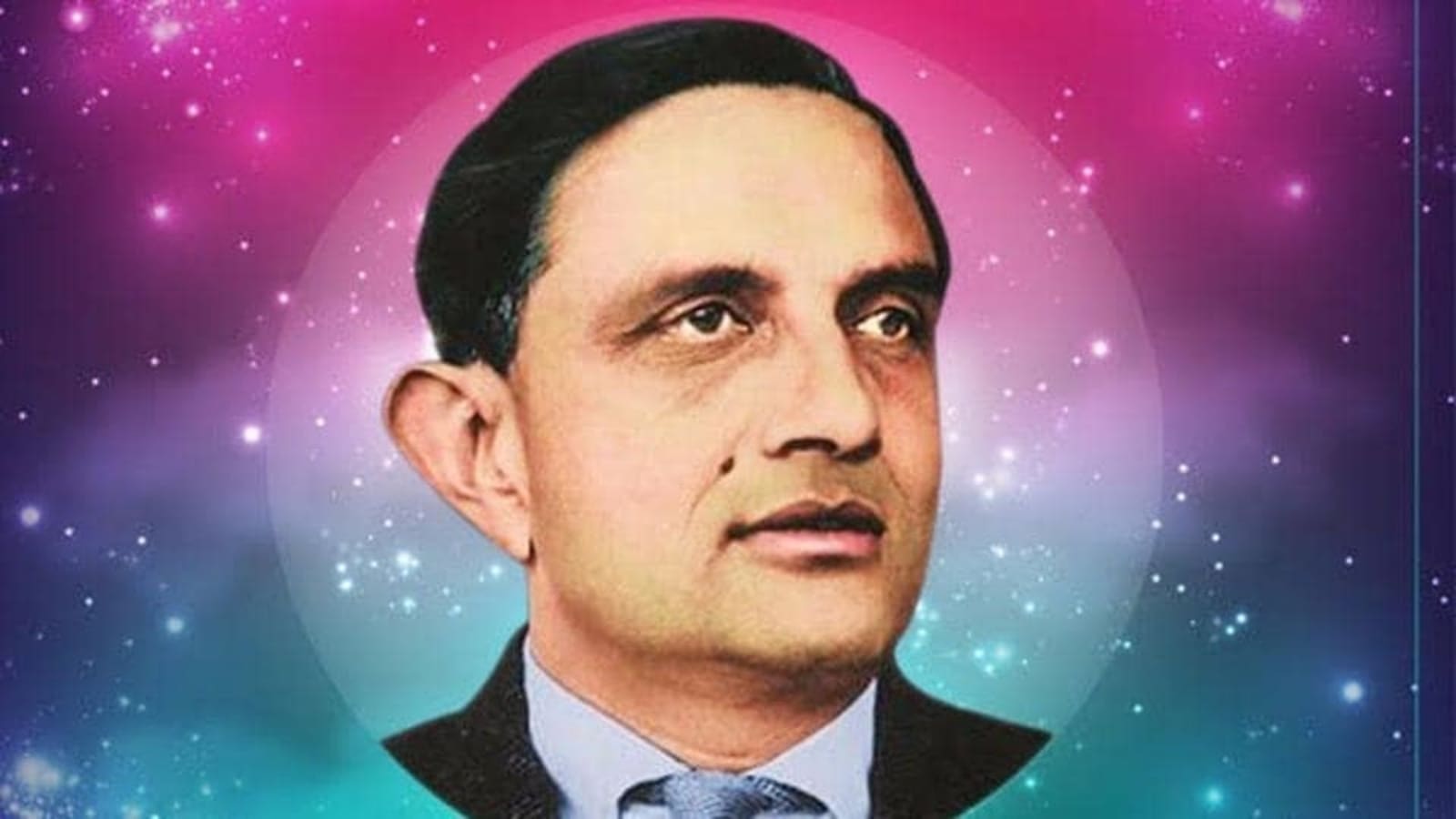
    Dr. Vikram Sarabhai, as the father of India’s space program, is known for his visionary role as a pioneering Indian scientist, with an unrelenting drive for ground-breaking science and an enthusiasm to enable India to play an influential role in space research: one of the world’s leading space research organizations today – ISRO. His life and contributions reflect here as his indelible marks on Indian science and technology.

    Early Life and Education

    Vikram Sarabhai was born on 12 August 1919 in an elite family at Ahmedabad, Gujarat. He had a progressive surrounding that eventually shaped his inquisitive and thoughtful personality. His family was actively involved in the Indian freedom movement, and his house was like a social and cultural center. This environment fostered his early curiosity in science and love for national development.

    Earlier Sarabhai attended Gujarat College before going to the University of Cambridge, where he followed natural sciences. Then, when the World War II took place, he was requested to return to India. While there, he sought after visiting Sir C.V. Raman, the Nobel laureate on science. After World War II, he went back to Cambridge and obtained PhD based on a thesis written under the title “Cosmic Ray Investigations in Tropical Latitudes,” which eventually proved useful for his upcoming career in space science.

     Vision for A Scientific India

    He was a scientist but also a visionary who realized the power of science to change a nation. He believed that modern science and technology would address India’s socio-economic issues and strove for institutions that would take India into a new era of scientific development. He promoted science and technology as a self-reliance tool wherein technology could solve problems related to poverty, education, and health.

     Foundation of ISRO and Indian Space Program

    The greatest achievement of Dr. Sarabhai was the establishing of India’s space programme. As the decade dawned in the 1960s, space research had just begun to gain momentum all over the world. A developing country like India did not need a space program. It was Sarabhai who visualized space technology as a stimulant to national development. He once said:

    “There are some who question the relevance of space activities in a developing nation. To us, there is no ambiguity of purpose… We do not have the fantasy of competing with the economically advanced nations in the exploration of the Moon or the planets or manned space-flight.”. But we are convinced that if we are to play a meaningful role nationally, and in the community of nations, we must be second to none in the application of advanced technologies to the real problems of man and society.

    In 1962, Sarabhai founded the Indian National Committee for Space Research, which eventually developed into ISRO in 1969. He developed indigenous space capabilities and had envisioned launching the first rocket from Thumba in 1963. Under his watch, India took on some important projects like the development of the Aryabhata satellite, which was launched much later in 1975, years after his demise.

    Institutional Legacy: Establishing Research Centers

    Other than ISRO, the contribution of Dr. Sarabhai was instrumental in establishing other critical scientific institutes in India. In 1947, he established the Physical Research Laboratory (PRL) at Ahmedabad, which turned out to be a cradle for space sciences in India. He established the Indian Institute of Management (IIM) at Ahmedabad in 1961. He also founded the Community Science Centre in Ahmedabad towards the promotion of scientific curiosity amongst young students. As an outcome of his efforts at further creation of talent for science, numerous institutions now are the pillars of Indian science and technology.

     Joint Venture with International Science Thinkers

    Dr. Sarabhai understood the need for cooperation and idea-sharing at an international level. He promoted relationships with many countries, such as the United States and the Soviet Union, to strengthen India’s space research. He also collaborated with another visionary Indian science leader and founder of India’s nuclear program, Dr. Homi Bhabha. After Bhabha’s sudden death in 1966, Sarabhai took over as chairman of the Atomic Energy Commission of India and furthered India’s nuclear and space ambitions.

     Personal Life and Legacy

    Vikram Sarabhai married Mrinalini Sarabhai, a celebrated classical dancer and choreographer, in 1942. The couple shared love for the arts and co-sponsored many cultural and educational programs. Mallika Sarabhai and Kartikeya Sarabhai, both children of the couple, work towards upholding their legacy in art and environmental sustainability respectively.

    Dr. Sarabhai passed away at a too-young 52, on December 30, 1971, which is a very huge loss to India, but, I would say his vision has lasted the test of times, and today, ISRO has gained the acclamation across the world through a lot of such ventures- be it Chandrayaan, Mangalyaan, and all its cost-effective exploration ideas of space with Sarabhai’s accessibility impact and proximity.

     Conclusion

    Dr. Vikram Sarabhai represents a life of commitment to society’s progress through great dedication and foresight, changing the scientific landscape of India and inspiring successive generations of scientists and engineers. Through his institutions and many others mentored by him, this has made him a continuous source of inspiration in the scientific journey of India while pushing the frontiers of exploration and discovery. It was the life of Sarabhai, the epitome of vision and dedication that reminded one of what was possible when science was used for the greater good. And as we look to the stars today, it is in that first dreamer for India that we find it all.

  • Navigating the Cosmic Junkyard: The Challenge of Space Debris

    Navigating the Cosmic Junkyard: The Challenge of Space Debris

    In the vast expanse of outer space, a hidden menace lurks amidst the stars: space debris. Born from decades of human activity in space, this cosmic junkyard poses a growing threat to satellites, spacecraft, and future space exploration endeavours. As our presence in space expands, so too does the need to address the challenges posed by space debris. Let’s delve into the realm of space debris, exploring its origins, impact, and the efforts underway to mitigate its risks.

    Origins of Space Debris

    Space debris, also known as space junk, encompasses a wide array of objects orbiting Earth, ranging from defunct satellites and spent rocket stages to fragments from collisions and discarded equipment. These objects are the byproducts of human space exploration activities dating back to the launch of Sputnik 1, the world’s first artificial satellite, in 1957. Over the years, as more satellites and spacecraft have been launched into orbit, the amount of space debris has steadily increased, creating a crowded and hazardous environment in space.

    The Impact of Space Debris

    The proliferation of space debris poses significant risks to both current and future space missions.

     1. Collision Threat:

    Space debris travels at incredibly high speeds, posing a collision threat to operational satellites, spacecraft, and even the International Space Station (ISS). A collision with even a small piece of debris can cause catastrophic damage, leading to mission failure or loss of life.

    2. Orbital Congestion:

    The accumulation of space debris in Earth’s orbit contributes to orbital congestion, making it increasingly difficult to safely navigate through space. This congestion limits the availability of valuable orbital slots for new satellites and poses challenges for space traffic management.

    3. Kessler Syndrome:

    The concept of Kessler Syndrome, proposed by NASA scientist Donald J. Kessler in 1978, describes a cascading effect in which collisions between space debris generate more debris, leading to a chain reaction of collisions and further debris creation. If left unchecked, Kessler Syndrome could render certain orbits unusable for centuries, significantly impacting space operations and exploration.

    Mitigating the Risks

    Addressing the challenge of space debris requires a multifaceted approach involving international cooperation, technological innovation, and responsible space practices.

    1. Space Traffic Management:

    Improved tracking and monitoring of space debris are essential for avoiding collisions and minimising risks to operational satellites and spacecraft. Efforts are underway to develop advanced tracking systems and predictive algorithms to better understand and mitigate the risks posed by space debris.

    2. Active Debris Removal:

    Several initiatives have been proposed to actively remove space debris from orbit using techniques such as robotic arms, nets, harpoons, and lasers. These technologies aim to capture and deorbit defunct satellites and debris fragments, reducing the overall clutter in space.

    3. Responsible Space Practices:

    Space agencies and commercial entities must prioritise responsible space practices to minimise the generation of new space debris. This includes designing satellites and spacecraft with end-of-life disposal measures, such as deorbiting or propulsive manoeuvres to lower orbits, as well as limiting the release of debris during satellite launches.

    Looking Ahead: A Sustainable Future in Space

    As we venture further into the cosmos, the challenge of space debris looms large on the horizon. Addressing this challenge will require a coordinated effort from the global space community, as well as continued investment in research, technology development, and policy initiatives. By working together to mitigate the risks posed by space debris, we can ensure a safer and more sustainable future for space exploration and utilisation, unlocking the boundless potential of the final frontier while preserving the cosmic environment for generations to come.

  •  Navigating the Digital Landscape: Exploring Microsoft Bing

     Navigating the Digital Landscape: Exploring Microsoft Bing

    In the vast expanse of the digital world, search engines serve as our guiding stars, illuminating the path to knowledge, entertainment, and connection. Among the constellation of search engines, Microsoft Bing shines brightly as a powerful and versatile tool for exploring the web. From its humble beginnings to its current status as a leading search engine, Bing has evolved to offer a range of features and functionalities that set it apart in the competitive landscape of online search. Let’s embark on a journey through the realm of Microsoft Bing and discover what makes it a worthy companion in our digital adventures.

    The Journey Begins: A Brief History of Bing

    Microsoft Bing traces its origins back to 2009 when it was launched as the successor to Microsoft’s previous search engine, Live Search. Initially met with skepticism, Bing gradually gained traction with users thanks to its sleek interface, relevant search results, and innovative features. Over the years, Bing has undergone numerous updates and enhancements, cementing its position as a formidable player in the world of online search.

    Beyond Search: Exploring Bing’s Features and Capabilities

    While search lies at the heart of Bing’s functionality, the platform offers much more than just basic web searches. Here are some key features that distinguish Bing from its competitors:

    1. Visual Search:

    Bing’s Visual Search feature allows users to search the web using images rather than text. Whether you’re seeking information about a famous landmark, identifying a plant or animal, or shopping for a specific product, Visual Search makes it easy to find relevant results with just a few clicks.

    2. Bing Maps:

    Bing Maps offers a comprehensive mapping solution that rivals other popular mapping services. With features such as street view, directions, and real-time traffic updates, Bing Maps is a valuable tool for planning trips, exploring new places, and navigating unfamiliar terrain.

    3. News and Trends:

    Bing’s News and Trends section provides curated news articles, trending topics, and personalized recommendations based on user preferences. Whether you’re interested in current events, entertainment news, or sports updates, Bing keeps you informed and up-to-date with the latest developments from around the world.

    4. Intelligent Answers:

    Powered by AI technology, Bing’s Intelligent Answers feature provides instant answers to common questions directly within the search results page. From mathematical equations and unit conversions to weather forecasts and historical facts, Bing delivers concise and accurate information to satisfy your curiosity.

    Privacy and Security: A Focus on User Protection

    In an era where data privacy and security are paramount concerns, Bing prioritizes the protection of user information. Microsoft’s robust privacy policies and stringent security measures ensure that users can search the web with confidence, knowing that their data is safeguarded against unauthorized access and misuse

    Certainly! Here’s a summary of the latest updates and features from Microsoft Bing:

    These updates showcase Bing’s commitment to innovation and its transformation beyond a traditional search engine, offering a suite of tools to empower users and enhance their online experience. For more detailed information and the latest posts, you can visit the Bing Blogs.

  • Unlocking the Power of Artificial Intelligence in Advertising: A New Era of Marketing

    Unlocking the Power of Artificial Intelligence in Advertising: A New Era of Marketing

    In the dynamic world of marketing, staying ahead of the curve is paramount. Traditional advertising methods, while still relevant, are being revolutionized by the advent of artificial intelligence (AI). From personalized content to predictive analytics, AI is reshaping how businesses approach advertising. This blog delves into the transformative power of AI in advertising, highlighting its benefits, applications, and the future landscape of marketing.

    The Evolution of Advertising with AI

    Personalized Customer Experiences

    One of the most significant impacts of AI in advertising is the ability to create highly personalized customer experiences. AI algorithms analyze vast amounts of data to understand consumer behavior, preferences, and buying patterns. This data-driven approach allows marketers to tailor their ads to individual users, making them more relevant and engaging. For instance, recommendation engines on platforms like Amazon and Netflix use AI to suggest products and content based on user history, increasing the likelihood of conversion.

    Enhanced Targeting and Segmentation

    AI enables marketers to segment their audience with unprecedented precision. By analyzing demographic, geographic, and psychographic data, AI can identify niche markets and target them with specific ads. This level of granularity ensures that marketing efforts are directed towards the most receptive audience, maximizing return on investment (ROI). Programmatic advertising, powered by AI, automates the buying and selling of ad spaces, optimizing ad placements in real-time based on performance data.

    Predictive Analytics

    Predictive analytics is another area where AI is making a substantial impact. By leveraging historical data, AI can forecast future trends and consumer behaviors. Marketers can use these insights to anticipate market shifts, plan campaigns more effectively, and allocate resources strategically. Predictive analytics also helps in identifying potential leads and nurturing them through the sales funnel, ensuring a higher conversion rate.

    Creative Optimization

    AI is not just about numbers and data; it is also transforming the creative aspects of advertising. AI-powered tools can analyze which creative elements (such as headlines, images, and call-to-actions) perform best and suggest optimizations. Some AI systems even generate ad copy or design elements, streamlining the creative process. This not only saves time but also ensures that ads are consistently high-performing and aligned with audience preferences.

    Real-World Applications of AI in Advertising

    Chatbots and Virtual Assistants

    Chatbots and virtual assistants are becoming integral to customer service and engagement. Powered by AI, these tools can handle a wide range of tasks, from answering customer queries to guiding users through the purchasing process. Chatbots provide instant responses and are available 24/7, enhancing customer satisfaction and freeing up human resources for more complex tasks.

    Sentiment Analysis

    Understanding how customers feel about a brand or product is crucial for any marketing strategy. AI-driven sentiment analysis tools scan social media, reviews, and other online content to gauge public sentiment. This real-time feedback allows brands to adjust their strategies quickly, address any negative perceptions, and capitalize on positive trends.

    Dynamic Pricing

    AI helps in implementing dynamic pricing strategies by analyzing market demand, competitor pricing, and other external factors. This approach ensures that prices are optimized to maximize profits while remaining attractive to consumers. Retailers like Amazon have successfully used dynamic pricing to stay competitive and boost sales.

    The Future of AI in Advertising

    As AI technology continues to evolve, its applications in advertising will become even more sophisticated. Future developments may include advanced voice and image recognition, enabling more interactive and immersive ad experiences. AI could also enhance cross-channel marketing efforts, providing a seamless and consistent customer journey across various platforms.

    Moreover, ethical considerations and data privacy will play a significant role in shaping the future of AI in advertising. As consumers become more aware of data usage, transparency and trust will be critical. Brands that prioritize ethical AI practices and safeguard consumer data will gain a competitive edge.

    Conclusion

    Artificial intelligence is undeniably transforming the advertising landscape. Its ability to personalize experiences, enhance targeting, predict trends, and optimize creativity makes it an invaluable tool for modern marketers. As we move forward, embracing AI will not only drive efficiency and effectiveness in advertising but also pave the way for more innovative and engaging marketing strategies. By leveraging AI, businesses can stay ahead of the competition and build stronger, more meaningful connections with their audience.

  • Ratan Tata: A Legacy of Leadership, Philanthropy, and Vision

    Ratan Tata: A Legacy of Leadership, Philanthropy, and Vision

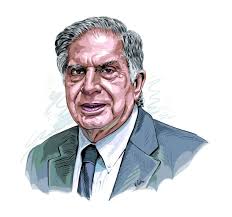
    Ratan Naval Tata, one of the most respected and admired figures in India and around the world, is a name synonymous with leadership, philanthropy, and visionary business acumen. As the former chairman of Tata Sons and the Tata Group, India’s largest conglomerate, Ratan Tata’s influence spans across industries, from steel to automobiles, and his legacy extends far beyond the boardroom. His story is one of humility, perseverance, and a relentless pursuit of excellence.

     Early Life and Education

    Born on December 28, 1937, in Mumbai, India, Ratan Tata hails from the prestigious Tata family. The Tatas have a long history of contributing to India’s industrial and philanthropic sectors, a legacy that Ratan would continue. After completing his schooling at the prestigious Campion School and Cathedral and John Connon School in Mumbai, Ratan Tata went on to pursue a degree in architecture from Cornell University in the United States. He later attended Harvard Business School for an Advanced Management Program.

    His early education, especially his exposure to international standards, shaped Ratan Tata’s worldview and laid the foundation for his leadership style. However, his initial career path wasn’t always smooth sailing. Before taking on leadership at Tata Group, he started at Tata Steel, where he worked alongside blue-collar workers on the shop floor, experiencing firsthand the challenges of the industry.

     Leadership at Tata Group

    Ratan Tata’s rise to leadership came at a pivotal time. In 1991, he succeeded J.R.D. Tata as the chairman of Tata Sons, the holding company of the Tata Group. Under his leadership, the Tata Group witnessed an unprecedented transformation. He spearheaded the company’s global expansion and modernization, taking Indian business to new heights.

    Ratan Tata’s strategic vision led to several bold acquisitions that brought global recognition to Tata Group. Among the most notable were:

    – The acquisition of Tetley Tea in 2000, which marked Tata’s entry into the global tea market.

    – The acquisition of the Anglo-Dutch steel giant Corus in 2007, which positioned Tata Steel as one of the largest steelmakers in the world.

    – The purchase of the iconic British car brands Jaguar Land Rover in 2008, which not only expanded Tata Motors’ global footprint but also revived the fortunes of these two luxury brands.

    Despite these large acquisitions, Ratan Tata always maintained a focus on ethics and integrity. He was known for his cautious yet visionary approach, balancing the need for growth with the values that defined the Tata Group.

     The Birth of the Tata Nano

    One of Ratan Tata’s most ambitious projects was the Tata Nano, launched in 2008. Touted as the world’s cheapest car, the Nano was a response to India’s need for affordable transportation. While the car did not achieve the commercial success anticipated, it remains a testament to Tata’s dedication to innovation and social impact. His vision was simple: to give every Indian family the chance to own a car. The Nano, with its price tag of just ₹1 lakh (around $2,500), became a symbol of innovation at the grassroots level.

     Philanthropy and Social Impact

    Ratan Tata’s leadership goes beyond business. He has always been deeply committed to philanthropy, in line with the Tata Group’s long tradition of contributing to the social good. The majority of the wealth of Tata Sons is channeled into charitable trusts, funding initiatives in education, healthcare, rural development, and more. This philanthropic aspect sets Tata apart from other conglomerates, with approximately two-thirds of its profits going towards these trusts.

    Ratan Tata himself has been involved in numerous philanthropic initiatives. He has supported education and research through the Tata Education and Development Trust, which has donated substantial sums to universities such as Cornell and Harvard. He has also been instrumental in Tata Trusts’ efforts in disaster relief, healthcare, and community development in India and abroad.

    During the COVID-19 pandemic, Ratan Tata played a key role in Tata Group’s substantial donations towards relief efforts, showcasing his unwavering commitment to societal well-being.

     Personal Life and Values

    Ratan Tata’s personal life is as understated as his leadership style. Known for his humility, simplicity, and down-to-earth nature, he has always maintained a low profile in the media. His love for dogs is well-known, and he has often been seen caring for stray dogs around his Mumbai residence.

    He is also a man of principle, often speaking about the importance of ethics in business. His famous quote, “I don’t believe in taking right decisions. I take decisions and then make them right,” reflects his confidence, decisiveness, and resilience.

    Though he never married, Ratan Tata remains an inspiration to many for his dedication to both his work and his values. He has received numerous accolades, including the Padma Bhushan in 2000 and the Padma Vibhushan in 2008, India’s highest civilian awards.

     Post-Retirement Ventures

    Even after retiring as the chairman of Tata Sons in 2012, Ratan Tata has remained an influential figure in the business world. He continues to invest in startups, particularly in sectors like technology and e-commerce, offering mentorship and guidance to young entrepreneurs. His investments in companies like Ola, Paytm, and Urban Ladder demonstrate his belief in the power of innovation to drive economic growth and create societal impact.

     Legacy

    Ratan Tata’s legacy is not just about business success; it’s about creating a lasting impact on society. His leadership transformed Tata Group into a global powerhouse, but more importantly, his commitment to ethical business practices and philanthropy has set a standard for generations to come.

    In an era of cutthroat competition and profit-driven business models, Ratan Tata has shown the world that success is not just measured by financial metrics, but by the positive change a business can bring to society. He has left an indelible mark on Indian industry and continues to inspire millions with his integrity, compassion, and unwavering commitment to doing good.

    As Ratan Tata himself once said, “If you want to walk fast, walk alone. But if you want to walk far, walk together.” This philosophy has been the cornerstone of his life, shaping not only the Tata Group but also the future of Indian business.

     Conclusion

    Ratan Tata’s contributions go beyond his corporate achievements. His compassion, humility, and forward-thinking approach have earned him a place in the hearts of millions. Whether in business or philanthropy, his efforts have consistently aimed to improve lives, making him not just a titan of industry, but a beacon of hope and integrity in a rapidly changing world.

  • Dr. APJ Abdul Kalam: The Missile Man of India

    Dr. APJ Abdul Kalam: The Missile Man of India

    Introduction

    Dr. Avul Pakir Jainulabdeen Abdul Kalam, often referred to as the “Missile Man of India,” was a visionary scientist, inspirational leader, and the 11th President of India. His life story, from humble beginnings to becoming one of the most respected figures in modern India, is one of dedication, passion, and an unwavering commitment to the nation’s progress. Dr. Kalam’s contribution to science and technology, especially in the fields of space and defense, has left an indelible mark on the country’s development.

    Early Life and Education

    Born on October 15, 1931, in Rameswaram, Tamil Nadu, Kalam came from a modest family. Despite financial challenges, his thirst for knowledge remained insatiable. He pursued a degree in Physics from St. Joseph’s College, Tiruchirappalli, followed by Aerospace Engineering from the Madras Institute of Technology (MIT). His academic pursuits laid the foundation for his future work in aeronautics and space research.

    Contributions to Space and Defense

    Dr. Kalam’s career took off when he joined the Defence Research and Development Organisation (DRDO) and later the Indian Space Research Organisation (ISRO). He was instrumental in India’s space exploration efforts, particularly as the project director of India’s first Satellite Launch Vehicle (SLV-III), which successfully deployed the Rohini satellite in 1980. This achievement placed India among the select group of nations capable of launching satellites independently.

    However, it was his role in India’s defense sector that earned him the title of “Missile Man.” Dr. Kalam played a pivotal role in developing India’s missile technology, including the successful development of the Agni and Prithvi missiles. His leadership in the Integrated Guided Missile Development Program (IGMDP) was crucial in making India self-reliant in missile technology.

    In 1998, Dr. Kalam was one of the key figures behind India’s second successful nuclear tests in Pokhran. This feat not only demonstrated India’s growing technological prowess but also established its position as a nuclear-armed state on the global stage.

    The People’s President

    In 2002, Dr. Kalam became the 11th President of India, a role he embraced with the same enthusiasm and dedication that characterized his scientific career. Known for his simplicity, accessibility, and humility, he quickly earned the moniker “People’s President.” During his presidency, he focused on using technology to uplift society and advocated for the empowerment of youth through education and innovation.

    One of his most notable contributions as President was his vision for a developed India by 2020, outlined in his book India 2020: A Vision for the New Millennium. His ideas centered on transforming India into a knowledge superpower by harnessing advancements in science and technology, improving infrastructure, and focusing on rural development.

    An Eternal Source of Inspiration

    Dr. Kalam’s legacy extends far beyond his tenure as President. His speeches, books, and interactions with young people have inspired millions across the world. He was a strong advocate of education, urging the youth to “dream big” and work tirelessly to achieve their goals. His books like Wings of Fire, Ignited Minds, and My Journey offer a glimpse into his remarkable life and his vision for India’s future.

    Even after his presidency, Dr. Kalam continued to work closely with educational institutions and engage in teaching. His passion for imparting knowledge was evident when he passed away on July 27, 2015, while delivering a lecture at the Indian Institute of Management, Shillong—a fitting end to a life dedicated to learning and inspiring others.

    Conclusion

    Dr. APJ Abdul Kalam’s life is a testament to the power of hard work, humility, and a relentless pursuit of excellence. His contributions to science, space, defense, and education continue to inspire future generations. Dr. Kalam’s vision for a prosperous, self-reliant, and technologically advanced India is a guiding light for the nation’s progress. His message of hope, integrity, and perseverance remains relevant today, and his legacy as the “People’s President” will forever be cherished in the hearts of Indians.

    Famous Quotes by Dr. APJ Abdul Kalam

    • “Dream is not that which you see while sleeping, it is something that does not let you sleep.”
    • “You have to dream before your dreams can come true.”
    • “If you want to shine like a sun, first burn like a sun.”
    • “Don’t take rest after your first victory because if you fail in second, more lips are waiting to say that your first victory was just luck.”

    Dr. Kalam’s words continue to inspire generations to aim for excellence, making him a true national hero whose life’s work will continue to influence India’s future for years to come.

  • From Reality to Virtual: Designing Your Avatar with Ready Player Go

    From Reality to Virtual: Designing Your Avatar with Ready Player Go

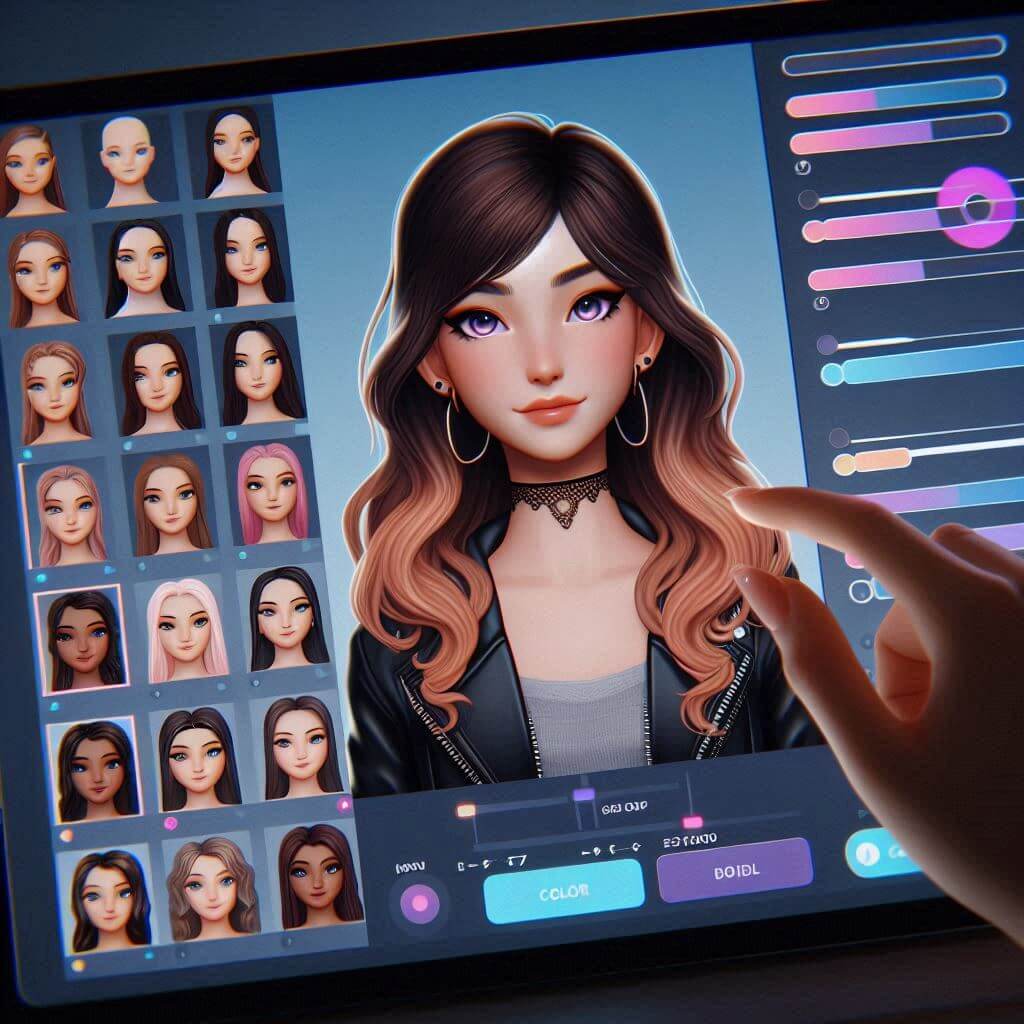
    With virtual reality and immersive online communities, avatar formation is an inevitable part of expressing oneself in digital media. It can be used for playing games, social networking, or business purposes; making a personalized avatar makes the process fun as well as significant. Ready Player Go is one of those applications that turn this process easy and interactive, by which users can build their customized 3D avatars in just a few minutes.

    In this blog, we are going to take you through how you can create your own avatar with Ready Player Go. It takes your virtual self and allows it to become a dynamic digital persona.

     Step-by-Step to Create an Avatar

     1. Sign Up or Log In

    Access Ready Player Go. You can download their website or app on any preferred device. Then, sign up as a new user by inputting your email or log in with your social login option, if you already have an account.

     2. Base Model Selection

    When you enter the world, you are prompted to select a base model. There are a variety of basic avatar templates available in Ready Player Go, including different body types, skin tones, and gender choices. This will be the base model for your actual personalized avatar.

     3. Customize Facial Features

    All things being equal, refine the details. Time to get specific. Ready Player Go lets you refine your avatar’s facial features. You can adjust:

    * Face shape: Round, Square, Heart Shaped

    * Eyes: Choose the shape and size, even the color.

    * Nose and mouth: Tweak nose width, mouth size. so on to mirror the real you or the you you’d like to be.

    With the same app, you’ll also enjoy a photo scan feature: you upload your selfie, and Ready Player Go will generate a 3D face based on your own!

     4. Hair and Hairstyles

    Hair can be one of the more highly customized attributes when creating avatars. Ready Player Go offers a full selection of hairstyles, from flowing waves to short curls and even the choice of hair color. You can even add highlights for an added touch of flair.

     5. Outfit and Accessories

    Another place you’re allowed some leeway is in clothing. The website has an arsenal of dressing for casual wear, professional wear, even fantasy wings. You can mix and match different clothing and shoes, add glasses, hats, or jewelry as needed. Many outfits can be customized by changing colors or patterns.

     6. Pose and Expressions

    You can set a default pose or expression on the avatar to add to its personality. There are libraries of poses, such as confidence, joy, and maybe even relaxation. Some avatars can be animated with simple gestures, like waving or smiling, to enhance their interactions in virtual environments.

     7. Add Finishing Touches

    Once you have customized the look of your avatar you can add final detail things such as tattoos, makeup or scars if you want. These extra little details will only make your avatar even just a little bit more unique and characteristic of yourself.

     8. Export or Use Your Avatar

    Export or use in VR spaces: When you are contented with your avatar, you can export or use it in other virtual spaces. The Ready Player Go has export options compatible with environments, games, and social platforms. You can even download your avatar in different file formats or directly connect it to VRChat or AltspaceVR.

     Tips for an Improved Avatar Creation Experience

    – Invest time: How much effort you put in will make it seem like an extension of you; the more you invest, the closer it will be to what you want it to be.

    – Experiment: Try on lots of different looks or styles until you’re happy – it’s not like it’s set in stone.

    – Photo scan: Some realistic looks can be had through photo scan, and maybe even a 3D model of your face.

    – Fashion forecast: Keep on the lookout for seasonal updates and other new accessories added by Ready Player Go so that you can stay updated on latest trends.

     Conclusion

    Creating an avatar with Ready Player Go is the most seamless, enjoyable experience at hand as you explore your identity in the digital space. Whether you want to use it for gaming, virtual meetings, or perhaps social media, that avatar represents who you are or even can be. Follow these steps, and you’ll have your very own virtual avatar ready to go in no time!

    Let the digital journey begin!

  • POWTOON

    POWTOON

    Introduction:

    Preserving ideas, sharing knowledge, and holding audiences captivated in today’s visually-driven world is more about presentations. It is a daunting task to make good presentations attractive and interactive. The table now turns for Powtoon, which is an innovative platform with revolutionary capabilities: assisting users in making awesome, animated videos and presentations with ease. In this blog post, we’ll dig into what makes it great, how great it is, and what powers it all: the features, benefits, and applications of Powtoon to make you a presentation rockstar!

    What is Powtoon?

    Powtoon is a cloud-based service which enables the creation of:

    1. Animated videos
    2. Interactive presentations
    3. Explainer videos
    4. Infographics
    5. Social media content

    Key Features

    1. Drag-and-drop interface. Easy and simple to use. No design experience required.
    2. Templates and characters. Customizable templates and characters available
    3. Animations and effects. Professional-quality animations and effects available
    4. Voiceover and music. Adds audio for engagement
    5. Collaboration tools. Real time collaboration and commenting

    Benefits

    1. Increased Engagement. Interactive visuals capture audience attention
    2. More Retention- Animated content for learning and retention
    3. Time Saver-Create slides in minimal design time
    4. Low cost application-suitable for businesses as well as educators
    5. Scalable: Ideal for application by industries as well as users

    Applied fields

    1. Education- Interactive lessons, tutorials, and course materials
    2. Marketing- Explainer videos, product demos, social media, etc
    3. Training at Corporates- Onboarding, compliance training, presenting, etc
    4. Sales- Pitch decks, product showcases, customer engagement, etc
    5. Non-Pro for Revenue, Advocacy, and Awareness

    Bonus Tips and Tricks

    1. Keep it Simple: Use key messages, focus on key visuals
    2. Storytelling: Engage audiences with narratives
    3. Explore Styles: Try different templates, characters
    4. Add Interactivity: Include quizzes, polls, and games
    5. Optimize for Mobile: Ensure seamless playback

    Pricing and Plans

    1. Free: Basic features, limited exports
    2. Pro: Advanced features, unlimited exports
    3. Business: Custom branding, priority support
    4. Education Plan: Offering a discount to educational organizations

    Conclusion:

    Powtoon is revolutionizing the landscape of presentations – intuitive, engaging, and animated content with Powtoon. With thousands of features, benefits, and applications, Powtoon is an indispensable tool for educators, marketers, businesses, and non-profits. Unlock your potential in presentations with Powtoon now!

    Other Resources:

    1. Powtoon Website: https://www.powtoon.com/
    2. Powtoon Tutorials: https://whizrobo.com/courses/powtoon/
  • The Metaverse: A Sneak Peek of the Future of Digital Reality

    The Metaverse: A Sneak Peek of the Future of Digital Reality

    The metaverse concept has moved from science fiction into reality, changing the way people experience the internet and each other. So what is the metaverse, and why the excitement and attention by tech companies, innovators, and futurists? Let’s dive in for a journey through this next frontier of human interaction and digital experience.

     What is the Metaverse?

    Definitionally, the metaverse is a collective virtual space. It’s the merging of augmented reality (AR), virtual reality (VR), or even the internet, creating an immersive experience. Just think about it like some kind of huge connected virtual universe where one is able to communicate with the associated digital environments, objects, and even people, real time. While the internet of today is strictly limited to 2D screens, the metaverse bridges the physical to the digital, making its users feel present within the shared virtual space.

    Though the term “metaverse” first emerged several decades ago-in Neal Stephenson’s 1992 sci-fi novel *Snow Crash*-it finally starts getting closer to a realisation with the recent advancement of VR, AR, and blockchain technologies.

     Why Is the Metaverse Important?

    Metaverse is going to revolutionize the biggest industries involved in various sectors, right from gaming and entertainment to education and business. It opens endless opportunities for social interaction, commerce, and even working space. Imagine attending a concert with friends around the world all from your home or collaborating on a digital workspace where distance no longer matters.

    Some of the most compelling reasons why the metaverse is becoming so game-changing include:

    1. **Immersive Social Experiences**:Social experiences in the metaverse are essentially more immersive than just some text or video-based chatting. Users engage and interact as avatars in 3D spaces that provide presence and a shared experience much more akin to real-world interactions.

    2. **New Economic Models** New economies are emerging through blockchain technology feeding the metaverse. Virtual real-estate, NFT (non-fungible tokens), and digital goods allow users to buy, sell, and trade within virtual worlds. Entire business models and marketplaces are now starting to be developed within these ecosystems and are now earning real income from virtual assets.

    3. **Evolution of Work and Learning**: Remote working and virtual education have already been growing at an exponential rate. The metaverse will take this to a whole new level where virtual meeting rooms, conferences, even classrooms would mirror the dynamics of the actual interaction, making remote collaboration effective and engaging.

    4. **Gaming and Entertainment**: No doubt, gaming is one of the most frontline entry points to the metaverse. In fact, platforms like Roblox, Fortnite, and VRChat are already hinting at what experiences in the metaverse might be for their users. Users can socialize, create, and participate in these virtual worlds in real-time.

    Major Players Role in Creating the Metaverse

    Several technology companies are in a frenzied race to build their versions of the metaverse. Even Facebook has rebranded itself to “Meta” and has been very busy developing infrastructure for a metaverse that combines AR and VR with social media. Other companies such as Microsoft, Google, and Epic Games are all actively working on platforms that will shape this digital future.

    A metaverse is not one but many connected worlds, platforms, and ecosystems: The interoperability of such diversely constructed metaverse environments will be the success criterion-the facile transfer of users between worlds with the intact preservation of their digital identities and assets.

     Challenges and Ethical Considerations

    The metaverse, although exciting, has challenges and issues with ethics. Issues like privacy, security, and the digital divide may worsen if not addressed accordingly. In the new world, who will govern the metaverse? How will digital rights be managed? How can one ensure equal access without monopolies in this new world?

    And, as the metaverse further immerses itself into life, users may end up spending too much time in virtual space and thus have psychological and social impacts. The balance between virtual immersion and real responsibilities will, therefore, be significant considerations.

     Looking Ahead

    But at this point, still in its early stages, the trajectory for further development suggests that the metaverse will increasingly be an important part of our digital future. As VR and AR technology improves and more companies step up to build out the infrastructure, we can only imagine what other practical and interesting applications the metaverse will have in our everyday lives.

    In short, the metaverse is not just the next version of the internet; it’s a paradigm shift in how we engage with technology and each other. As it evolves, it promises to unlock new possibilities for creativity, connection, and commerce—heralding the dawn of a new digital age.

     Conclusion

    The metaverse is no longer pipe dream. And it has all begun to happen and changed the way we work or play, or socialize, for that matter. Whether it’s the new economy to be born out of social gathering, workplaces, or anything else, the metaverse represents the next step in the digital evolution. The only question is: are you ready to take the leap into it?